Case Review
Professional No Win No Fee Legal Support
A Guide On Claiming Lower Back Pain After A Car Accident Compensation | Lower Back Pain Car Accident Claims Guide
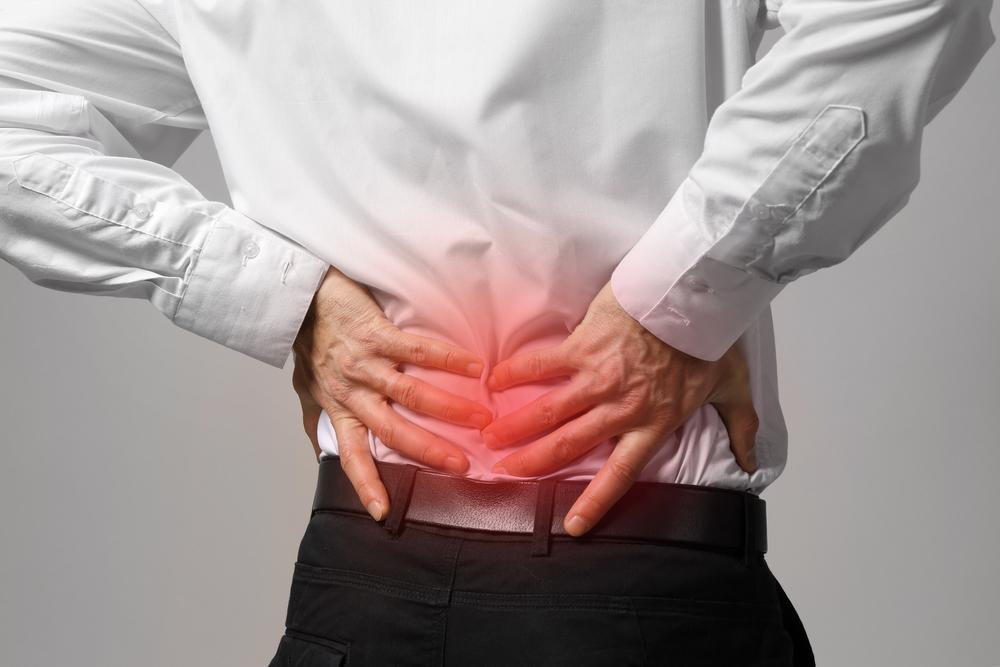
In the aftermath of a car accident, the physical, emotional, and financial toll can be overwhelming. Among the various injuries that individuals may suffer, lower back pain is one of the most common. This article serves as a comprehensive guide for those seeking Lower Back Pain After A Car Accident Compensation. We will delve into essential topics such as the validity of your claim, statistics for personal injury claims in the UK, recovery methods, average compensation payouts, case study examples, understanding liability, and much more.
Lower Back Pain After A Car Accident Compensation: Do I Have a Valid Claim?
Determining whether you have a valid claim for lower back pain following a car accident hinges on several factors. Firstly, it is essential to establish that the accident was not your fault, meaning that another party's negligence or recklessness directly caused your injury. Evidence such as accident reports, photographs, witness statements, and medical records play a crucial role in substantiating your claim.
Moreover, if you can demonstrate that your lower back pain significantly impairs your daily life or ability to work, you may have a stronger case. Consulting with a personal injury solicitor who specializes in car accident claims can provide you with invaluable insights into your situation. They can assess the details of your case and guide you on the best course of action to pursue compensation.
Statistics For Personal Injury Claims In The UK
Understanding the landscape of personal injury claims in the UK provides context for your own situation. According to recent statistics, road traffic accidents contribute significantly to personal injury claims, with thousands of cases reported annually. In 2022 alone, the UK saw an estimated 40,000 personal injury claims related to road traffic accidents, with a substantial number involving lower back pain.
Research indicates that individuals suffering from lower back injuries after a car accident often seek compensation for both physical and emotional distress. The average compensation payout for lower back pain claims varies widely, influenced by factors such as the severity of the injury, the extent of medical treatment required, and the impact on the claimant's quality of life.
In terms of non-fatal injuries, according to self-reports from the Labour Force Survey in 2022/23, 561,000 workers sustained a non-fatal injury 5. Furthermore, 60,645 employee non-fatal injuries were reported by employers in the same period (RIDDOR) 5. Prior to the coronavirus pandemic, both the rate of self-reported non-fatal injury to workers and the rate of non-fatal injury to employees reported by employers showed a downward trend. The current rates are similar to the 2018/19 pre-coronavirus levels 5.
These statistics are crucial for understanding the state of workplace safety in the UK. They highlight the importance of implementing robust safety measures and enforcing stringent regulations to prevent workplace accidents and injuries.
Fatal Injuries
Over the long-term, the number of fatal injuries to employees has substantially reduced. For instance, in 2022/23, there were 68 fatal injuries among workers 1. The main types of fatal accidents included falls from a height (40 incidents), being struck by a moving object (29 incidents), and being struck by a moving vehicle (20 incidents) 1.
Non-fatal Injuries
On the other hand, non-fatal injuries have seen a significant decrease over the years. According to the Labour Force Survey in 2022/23, 561,000 workers sustained a non-fatal injury 4. Furthermore, 60,645 employee non-fatal injuries were reported by employers in the same period 4.
Work-Related Illness
As for work-related illness, the rate of total self-reported work-related ill health (including both new and long-standing cases) has declined from the level seen in the 1990s. However, the rate of self-reported work-related stress, depression, or anxiety had shown signs of increasing in the recent years prior to the coronavirus pandemic 2.
In 2022/23, the rate of total self-reported work-related illness was higher than the 2018/19 pre-coronavirus level, driven by a higher rate of self-reported work-related stress, depression, or anxiety. For self-reported work-related musculoskeletal disorders, the rate in 2022/23 was similar to the 2018/19 pre-coronavirus level 2.
Comparison with Previous Years
To compare these statistics with previous years, we can refer to the Health and Safety Executive's report on workplace injury for 2020/2021. In this period, a total of 441,000 working people sustained an injury at work, and 142 workers were killed at work 5.
These statistics show a clear downward trend in fatal injuries and non-fatal injuries over the years. However, the rise in work-related stress, depression, and anxiety indicates that there is still room for improvement in managing mental health in the workplace.
Predominance and Decline: Road traffic accident (RTA) claims remain the dominant type of personal injury claim, accounting for 73% of all claims made in the latest reporting year. However, it's noteworthy that the number of RTA claims has been decreasing annually, with a 5.1% decline observed from 367,535 claims in the previous year to 348,806 in 2023/24 1.
Shifts in Other Claim Categories
Public Liability Claims: Public liability claims saw a notable increase, rising from 53,403 in the previous year to 58,933 in 2023/24. This category typically involves injuries caused by third parties outside of employment or clinical settings 1.
Employment Liability Claims: Employment liability claims also experienced growth, totaling 44,547 in 2023/24, up from 43,728 in 2022/23. These claims arise from workplace incidents involving employees 1.
Clinical Negligence Claims: Clinical negligence claims, which pertain to medical malpractice, increased from 14,443 to 15,839 in 2023/24. This reflects a growing confidence in pursuing compensation for medical errors 1.
Settlement Trends and Court Cases
Settlement Increases: Total settlements recorded by the Compensation Recovery Unit (CRU) rose to 548,843 in 2023/24, up from 542,457 in the previous year. Notably, motor claims settlements accounted for 75% of all settlements, underscoring the significant role of RTA claims in the settlement landscape 1.
Declining Court Cases: The number of personal injury claims proceeding to court has been in decline since 2017, with a significant drop of 25% in 2023. Only 61,210 PI court cases started in 2023 compared to 81,481 in 2022, indicating a preference for out-of-court settlements 1.
Market Value and Future Outlook
Market Valuation: The personal injury market was valued at £4.29 billion in 2023, marking a modest revenue increase of 3.8% over the previous year. This growth is attributed to a mix of low-value, high-volume claims processed efficiently and higher-value claims that, despite longer processing times, offer better margins 1.
Challenges and Opportunities: The market faces challenges such as declining claim numbers and the impact of fixed fees on margins. However, opportunities exist in the form of consolidation within the sector and the potential for mergers and acquisitions to reshape the landscape 1.
How To Recover Following an Accident
Recovering from lower back pain after a car accident requires a multi-faceted approach. Immediate steps include seeking medical attention to assess the severity of your injuries. Healthcare professionals may recommend treatments such as physical therapy, pain management, and, in some cases, surgical intervention.
In addition to traditional medical treatments, alternative therapies such as chiropractic care, acupuncture, and massage therapy have shown promise in alleviating lower back pain. Engaging in gentle exercises and stretching can also facilitate recovery, as long as they are performed under the guidance of a qualified professional.
Mental health is another crucial aspect of recovery. The psychological effects of a car accident can be profound, leading to anxiety, depression, or post-traumatic stress disorder (PTSD). Seeking support from mental health professionals can be beneficial in addressing these challenges and ensuring a holistic recovery process.
Lower Back Pain After A Car Accident Compensation: Average Compensation Payout Amounts
Compensation payouts for lower back pain claims can significantly vary based on several factors. Generally, mild to moderate lower back injuries may attract compensation ranging from £1,000 to £15,000, depending on the duration of the pain and its impact on daily activities.
Severe cases, particularly those leading to chronic pain or long-term disability, may see compensation awards soaring to £50,000 or more. For example, a claimant with a debilitating lower back injury that prevents them from returning to work may be awarded upwards of £100,000, factoring in loss of earnings, medical expenses, and the pain and suffering endured.
It's worth noting that while these figures provide a general guideline, each case is unique, and the final compensation amount will be influenced by the specifics of the claim and the solicitor's negotiation skills.
Case Study Examples
To illustrate the process of claiming compensation for lower back pain, consider the following case study. John, a 35-year-old construction worker, was involved in a rear-end collision. He initially experienced mild lower back pain, which gradually worsened over the following weeks. After seeking medical treatment and undergoing physiotherapy, John's condition remained unresolved, leading him to file a personal injury claim.
His solicitor gathered evidence, including medical reports and witness statements, demonstrating the accident's impact on his life. Ultimately, John was awarded £25,000 in compensation, which covered his medical expenses, lost wages, and pain and suffering. This case underscores the importance of thorough documentation and legal representation in pursuing a successful claim.
Lower Back Pain After A Car Accident Compensation: Understanding Liability in Injury Claims
Establishing liability is a critical component of any personal injury claim. In car accident cases, liability typically falls on the party whose negligence caused the accident. This may involve proving that the other driver was speeding, distracted, or failing to adhere to traffic laws.
Collecting evidence, such as dashcam footage, police reports, and eyewitness accounts, can significantly bolster your case. In some instances, liability may be shared between parties, which could affect the compensation awarded. Understanding the nuances of liability laws can be complex, making it vital to work with an experienced personal injury solicitor to navigate these challenges.
Seeking Immediate Medical Attention After an Accident
One of the most critical steps after a car accident is to seek immediate medical attention. Even if your injuries appear minor, some conditions, such as lower back pain, may not manifest symptoms immediately. Prompt medical evaluation ensures that any injuries are diagnosed and treated early, which can prevent complications and strengthen your claim for compensation.
Medical documentation detailing your injuries, treatments, and recovery progress serves as vital evidence in substantiating your claim. Furthermore, following medical advice and attending scheduled follow-ups can demonstrate your commitment to recovery, which may impact the outcome of your claim.
Time Limits for Making an Injury Claim
In the UK, personal injury claims are subject to time limits, commonly known as the statute of limitations. For most personal injury claims, including those related to lower back pain after a car accident, you typically have three years from the date of the accident to file your claim.
Failing to initiate a claim within this timeframe may result in the loss of your right to seek compensation. Therefore, it is advisable to consult with a solicitor as soon as possible after an accident to ensure you meet all necessary deadlines and preserve your legal rights.
Lower Back Pain After A Car Accident Compensation: The Role of Expert Witnesses in Injury Claims
Expert witnesses can play a pivotal role in bolstering personal injury claims. These professionals provide specialized knowledge and opinions that can help establish the extent of your injuries and the impact on your life. For lower back pain claims, medical experts may testify about the nature of your injury, the necessary treatment, and the long-term implications of your condition.
Expert testimony can significantly influence the outcome of your case, particularly in proving the severity of your injuries and their correlation to the accident. Engaging the right expert witness can lend credibility to your claim and enhance the likelihood of receiving fair compensation.
Understanding Contributory Negligence
In some cases, the concept of contributory negligence may come into play. This legal principle suggests that if the injured party is found to have contributed to the accident in any way, their compensation may be reduced proportionally. For example, if it is determined that a driver was not wearing a seatbelt at the time of the accident, their compensation could be affected.
It is crucial to understand how contributory negligence can impact your claim. Working with a knowledgeable solicitor can help you navigate this complex area and present your case in the most favorable light.
Lower Back Pain After A Car Accident Compensation: Frequently Asked Questions
As individuals pursue claims for lower back pain after a car accident, several questions often arise. Common inquiries include:
- How long will my claim take? The duration of a claim can vary significantly depending on the complexity of the case, the willingness of the parties to negotiate, and the court's schedule. On average, claims can take several months to a few years to resolve.
- What if I cannot afford a solicitor? Many personal injury solicitors operate on a no win, no fee basis, allowing you to pursue your claim without upfront costs. This payment structure means that you only pay legal fees if your claim is successful.
- Can I claim for emotional distress? Yes, emotional distress can be included in your claim, particularly if it has significantly impacted your quality of life following the accident.
In conclusion, claiming compensation for lower back pain after a car accident is a nuanced process requiring careful attention to detail and legal expertise. By understanding the intricacies of personal injury claims, you can navigate the legal landscape effectively and work towards securing the compensation you rightfully deserve.
Need Professional Guidance?
If you have been affected by the issues discussed here, speak with our experts for a free, confidential review of your case.
Request Free Consultation